
DIFFUSER PANEL
Control Reflections.
Shape the Sound Field.
Designed to scatter reflected sound within a defined frequency range, helping create a more evenly distributed sound field while keeping acoustic energy in the room.
Acoustic Function
Sound Diffusion
Diffuser Design
Curved-Surface & QRD-Based
Typical Applications
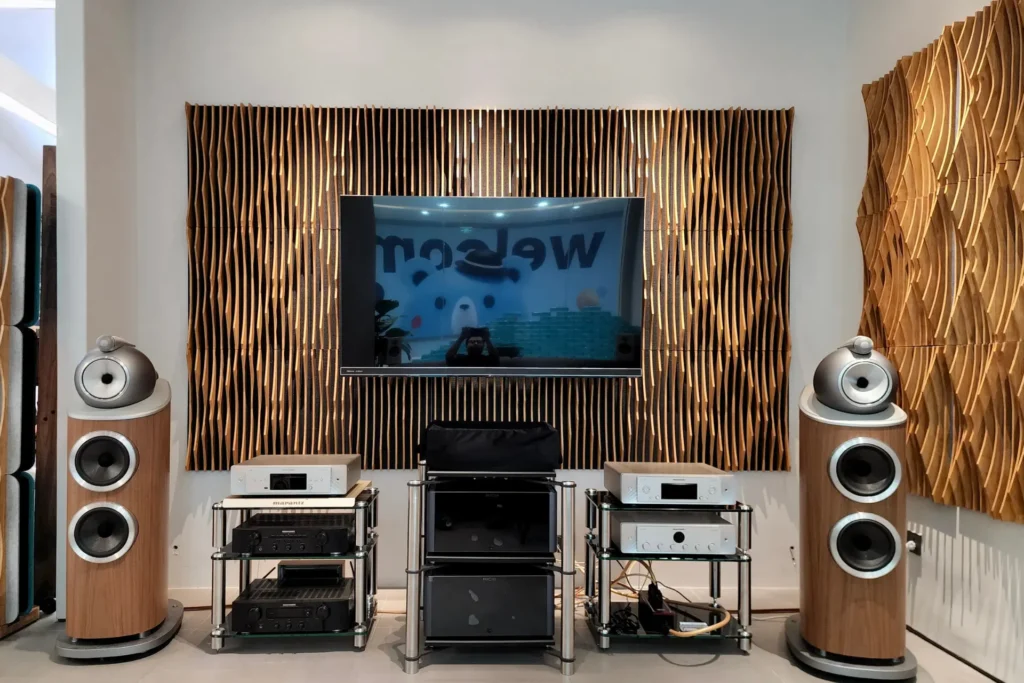
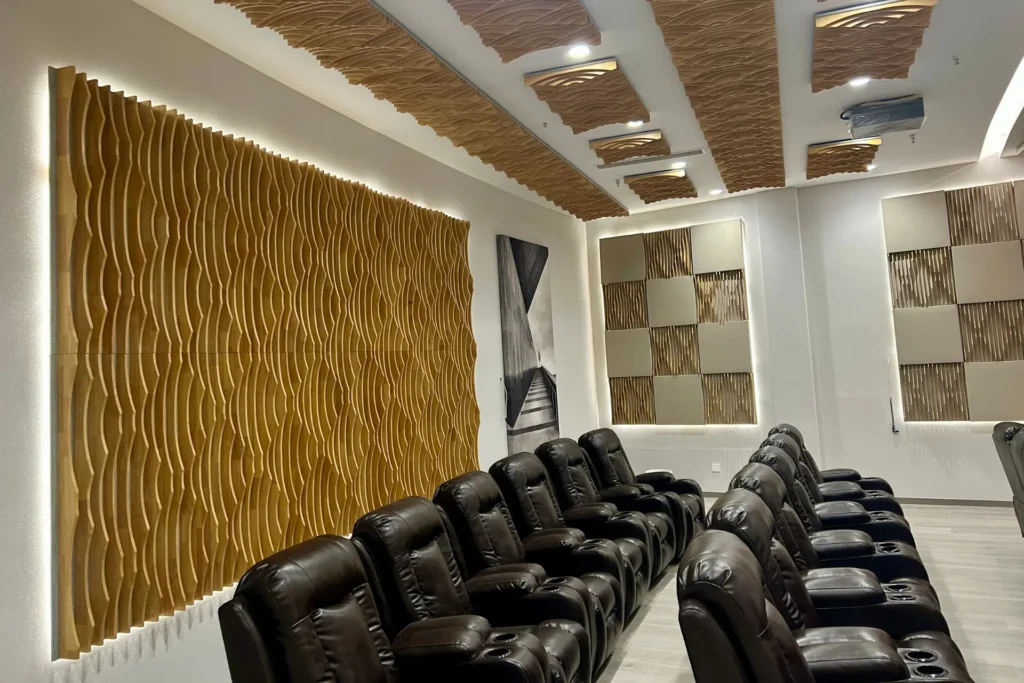
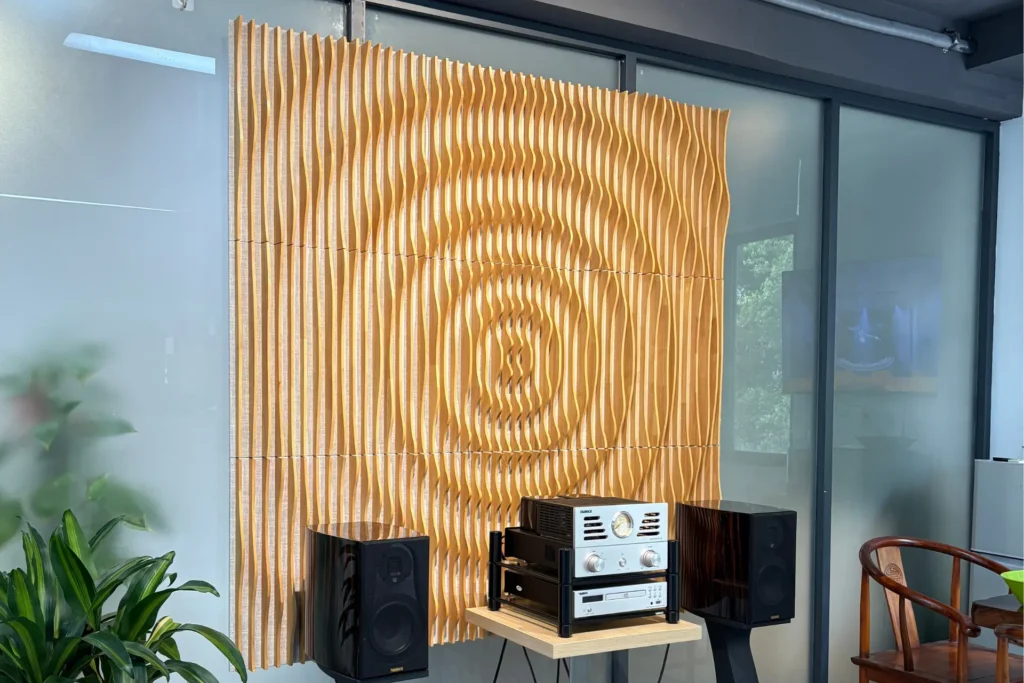
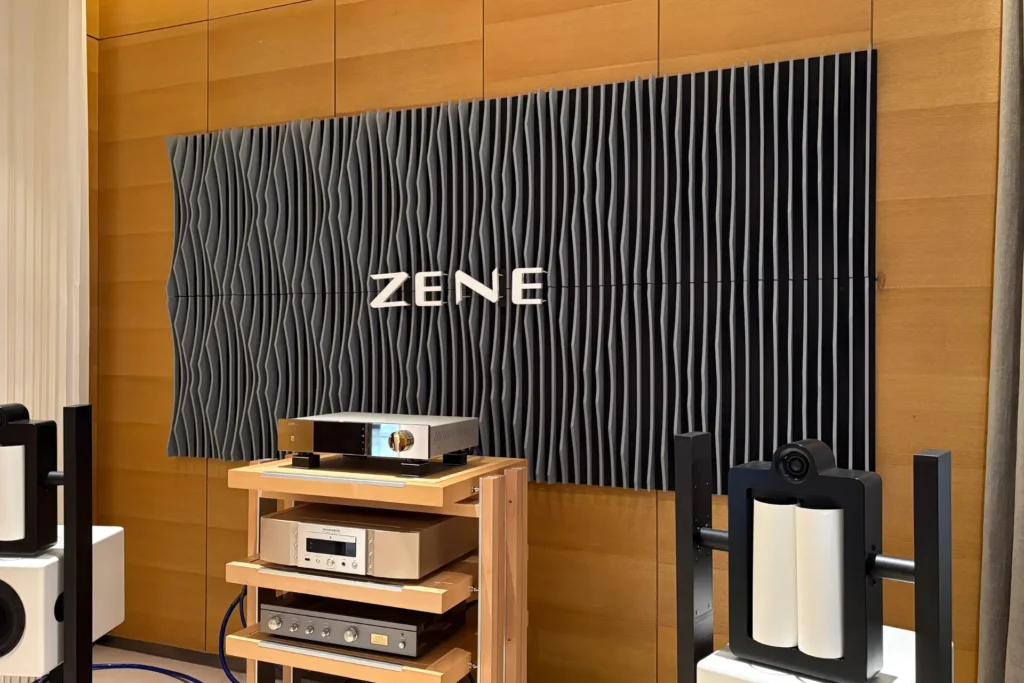
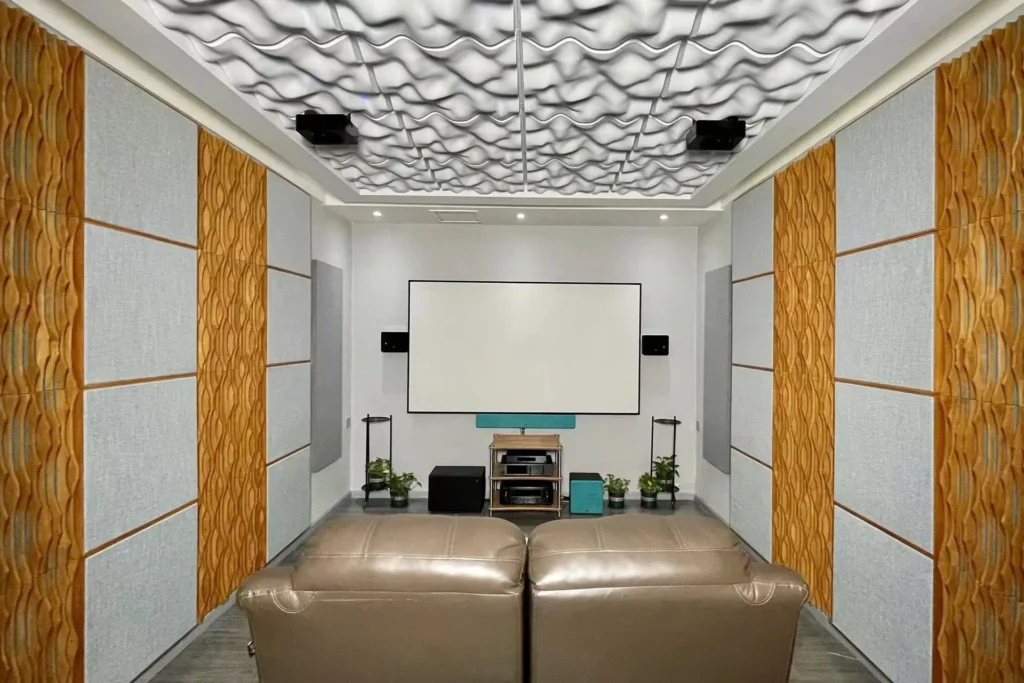
HiFi · Home Theatre · Studios
THE DESIGN
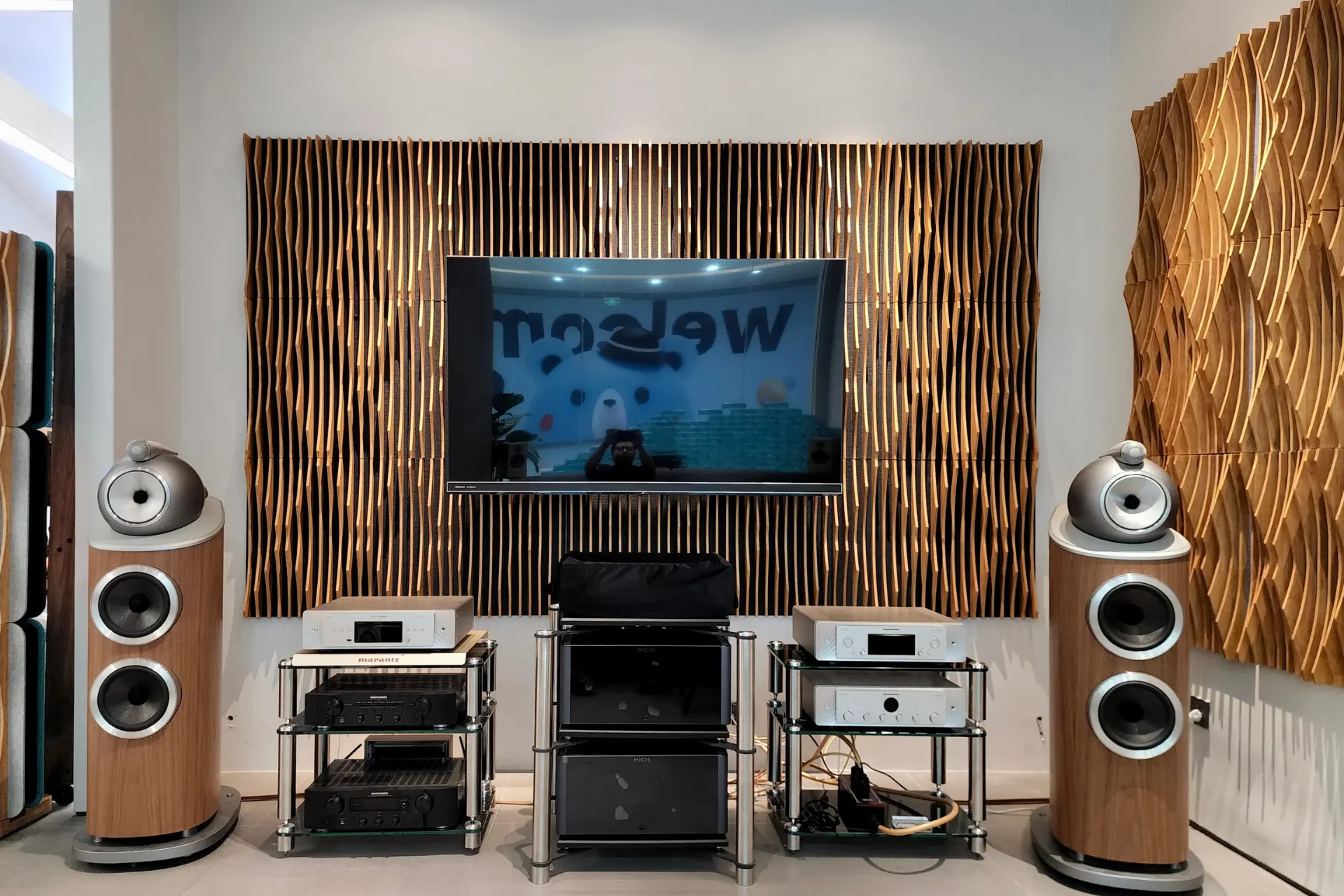
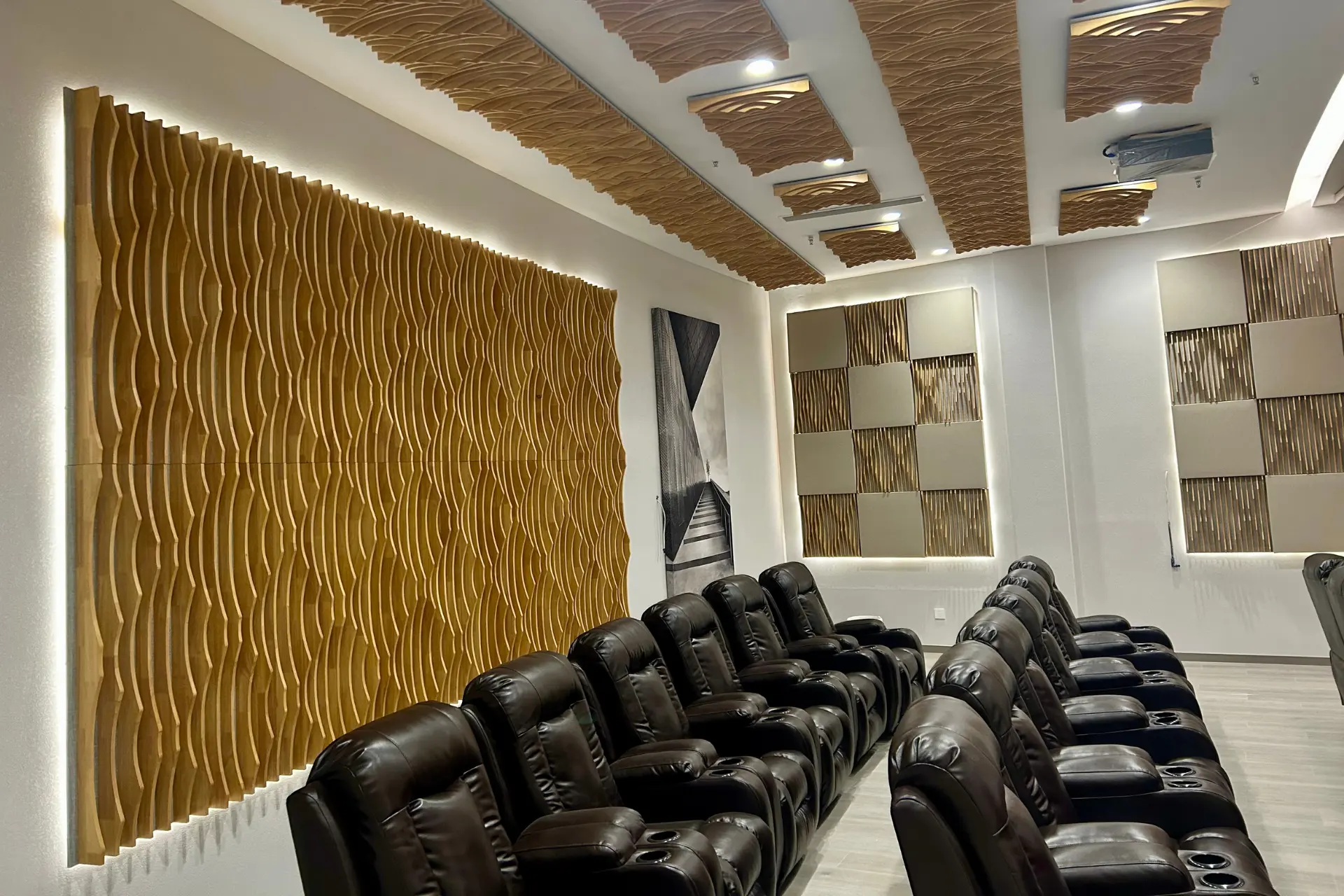
Acoustics, shaped into the design.
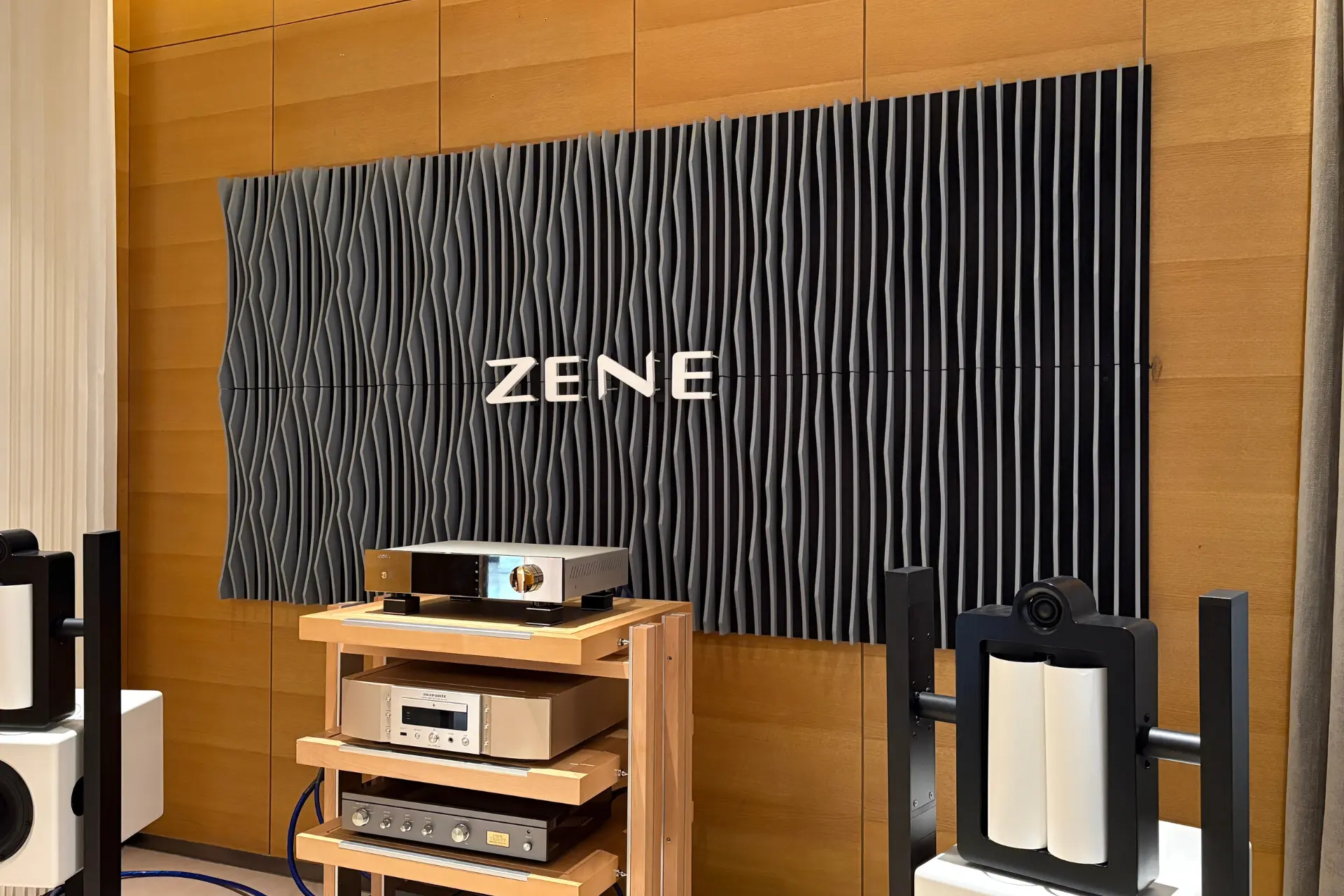
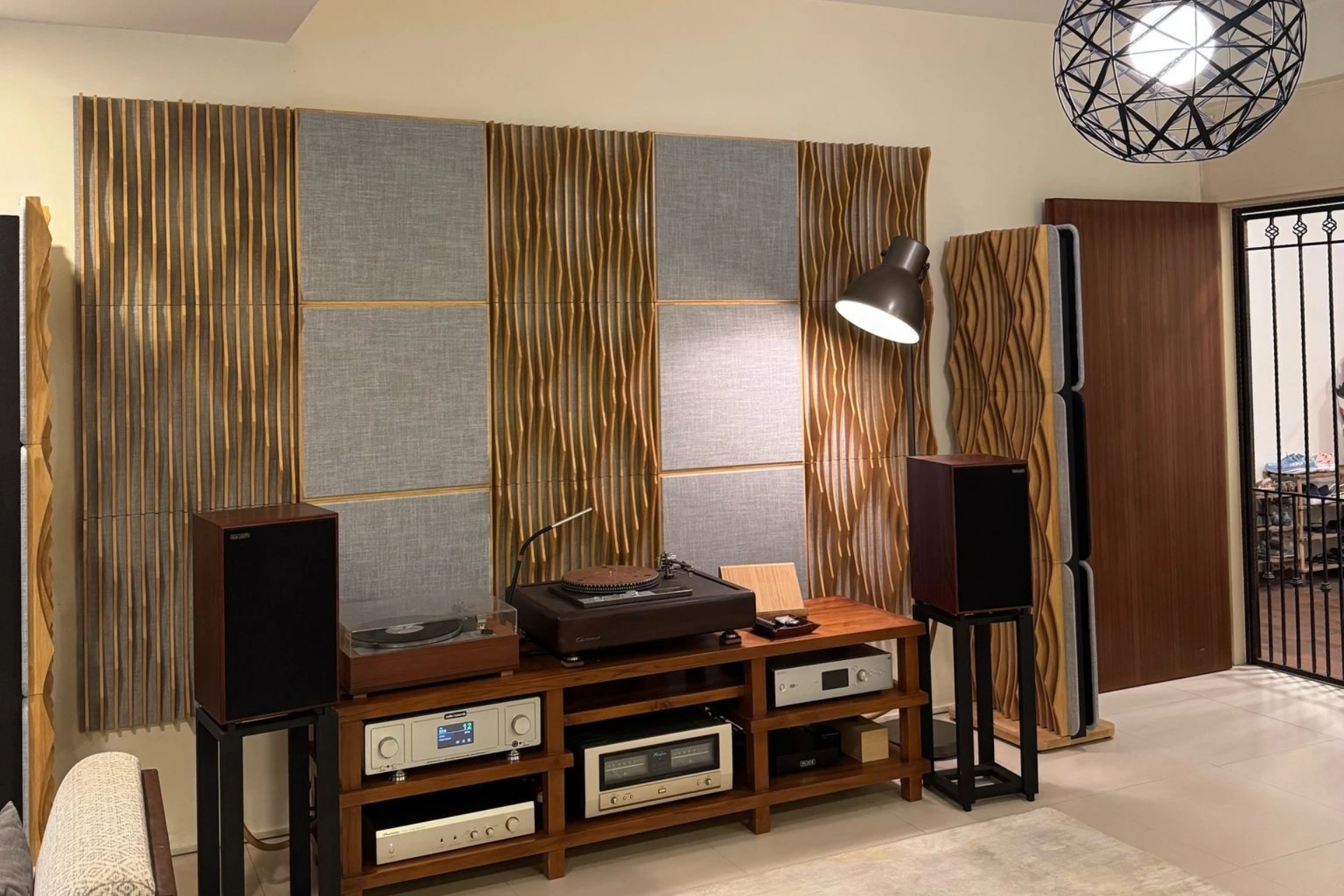
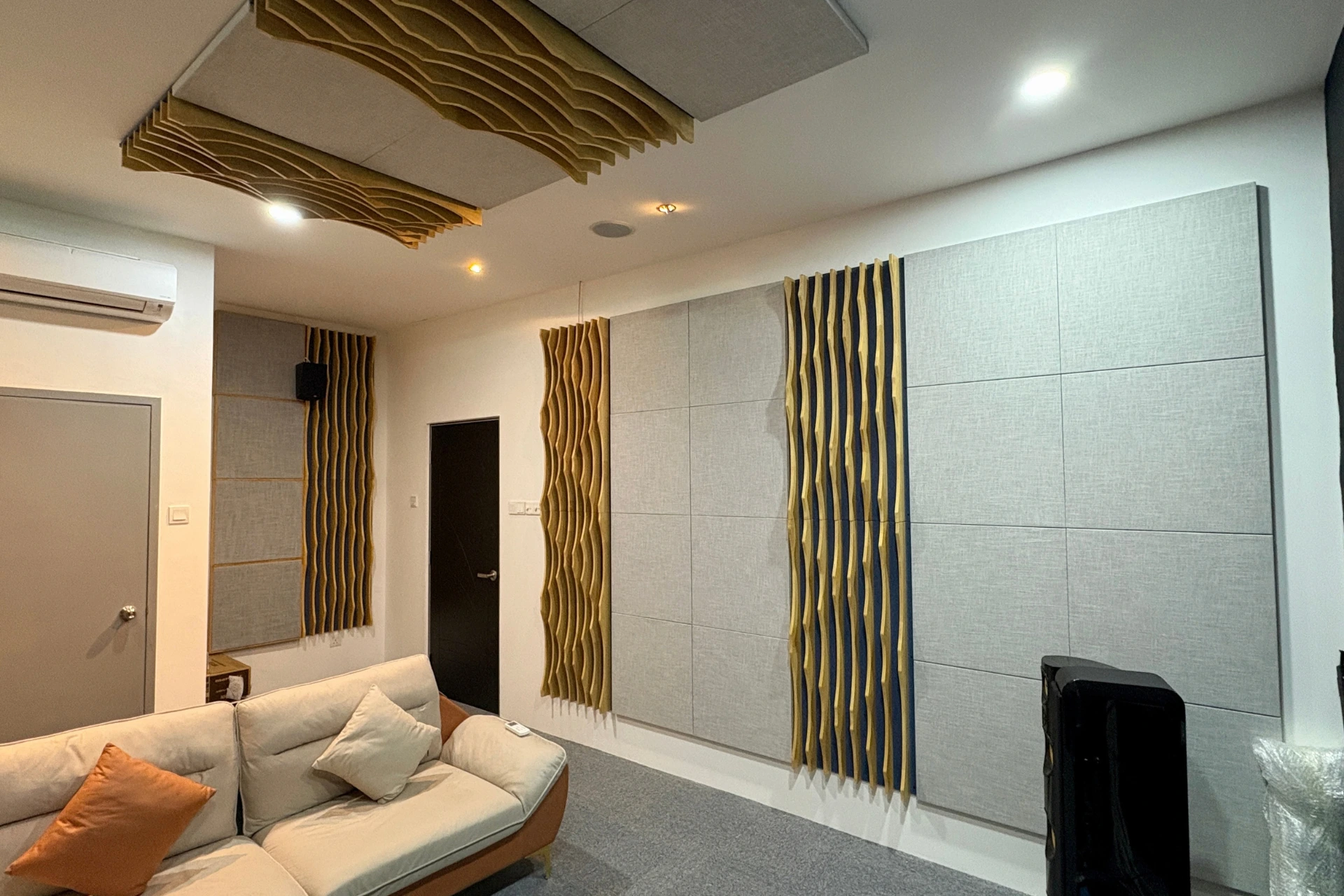
We use acoustic principles to shape the geometry, then let the form become part of the room.
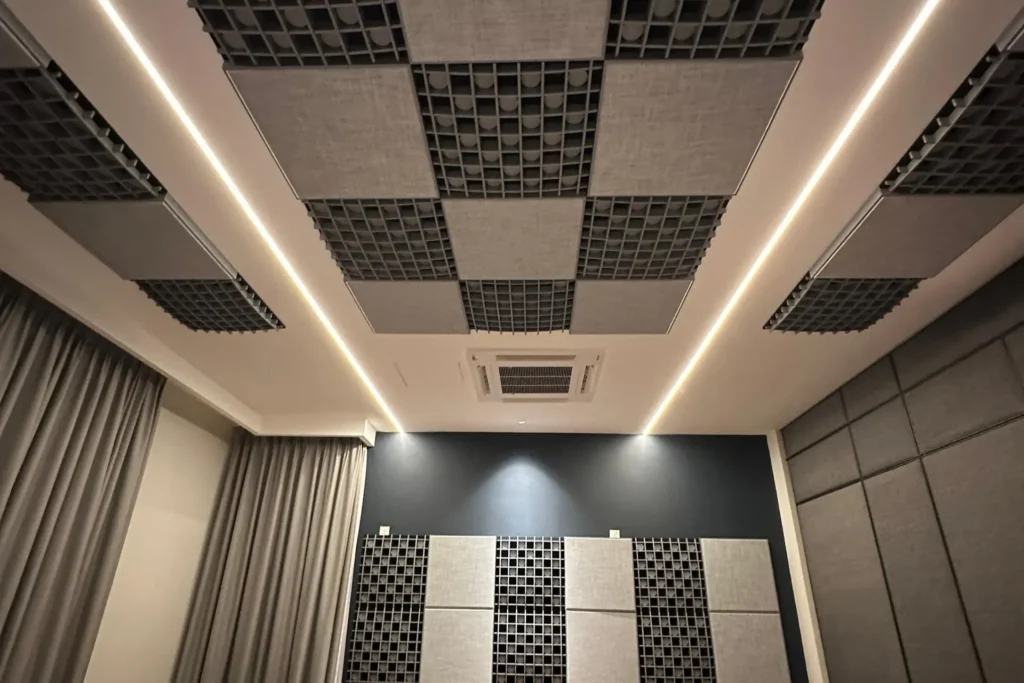
Controlled Reflections
Helps redistribute reflected sound energy rather than returning it as a dominant specular reflection.
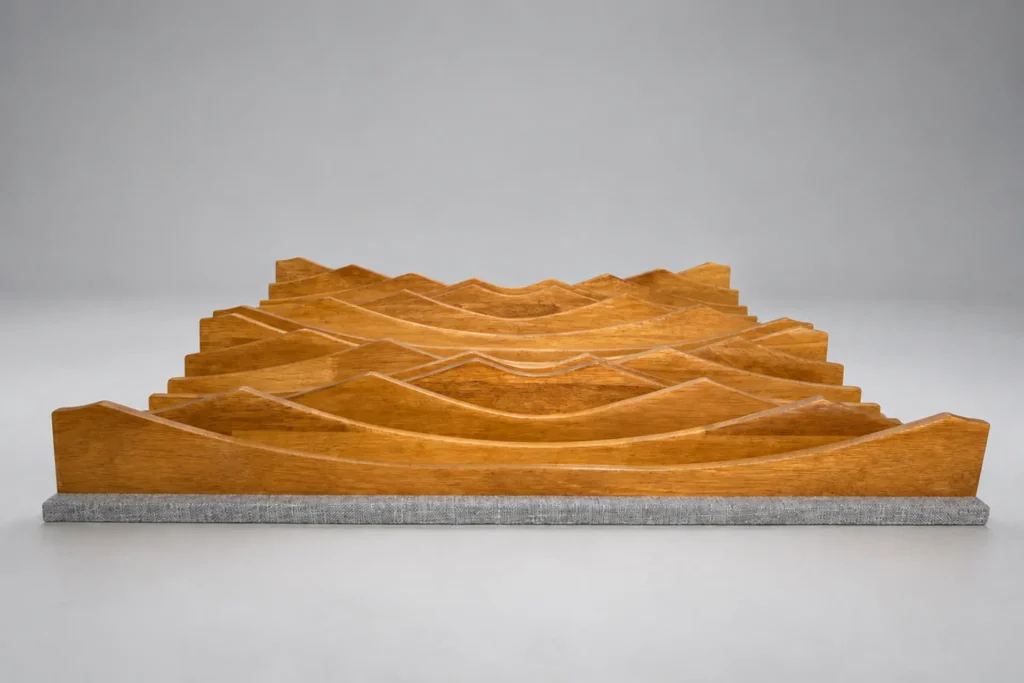
Designed Geometry
Surface depth, profile and spacing are designed to control how reflected sound is redistributed across the treated surface.
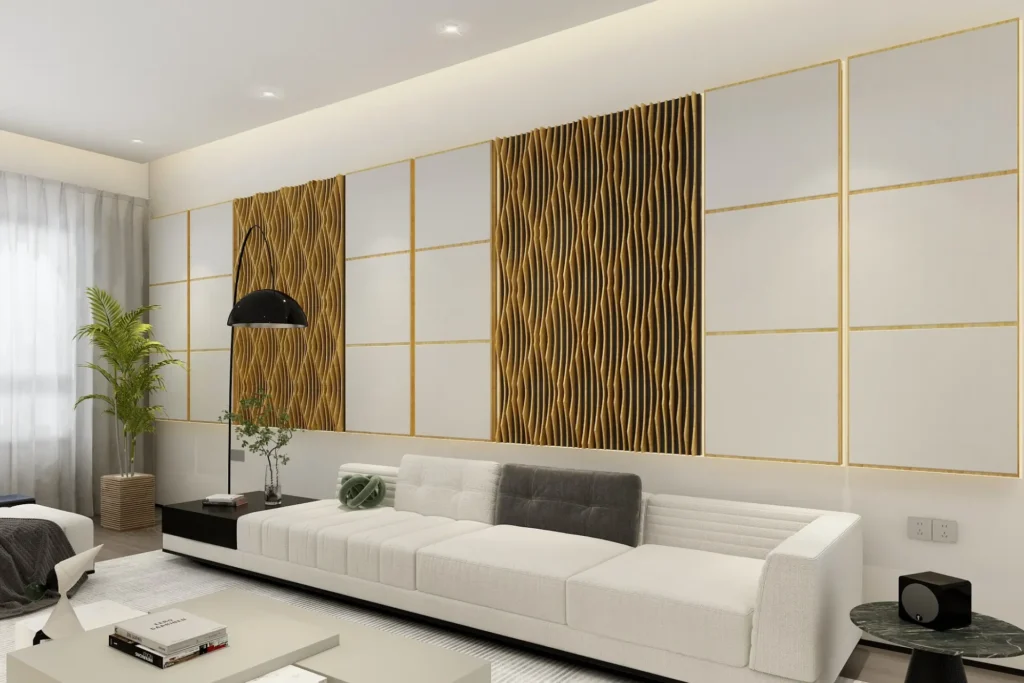
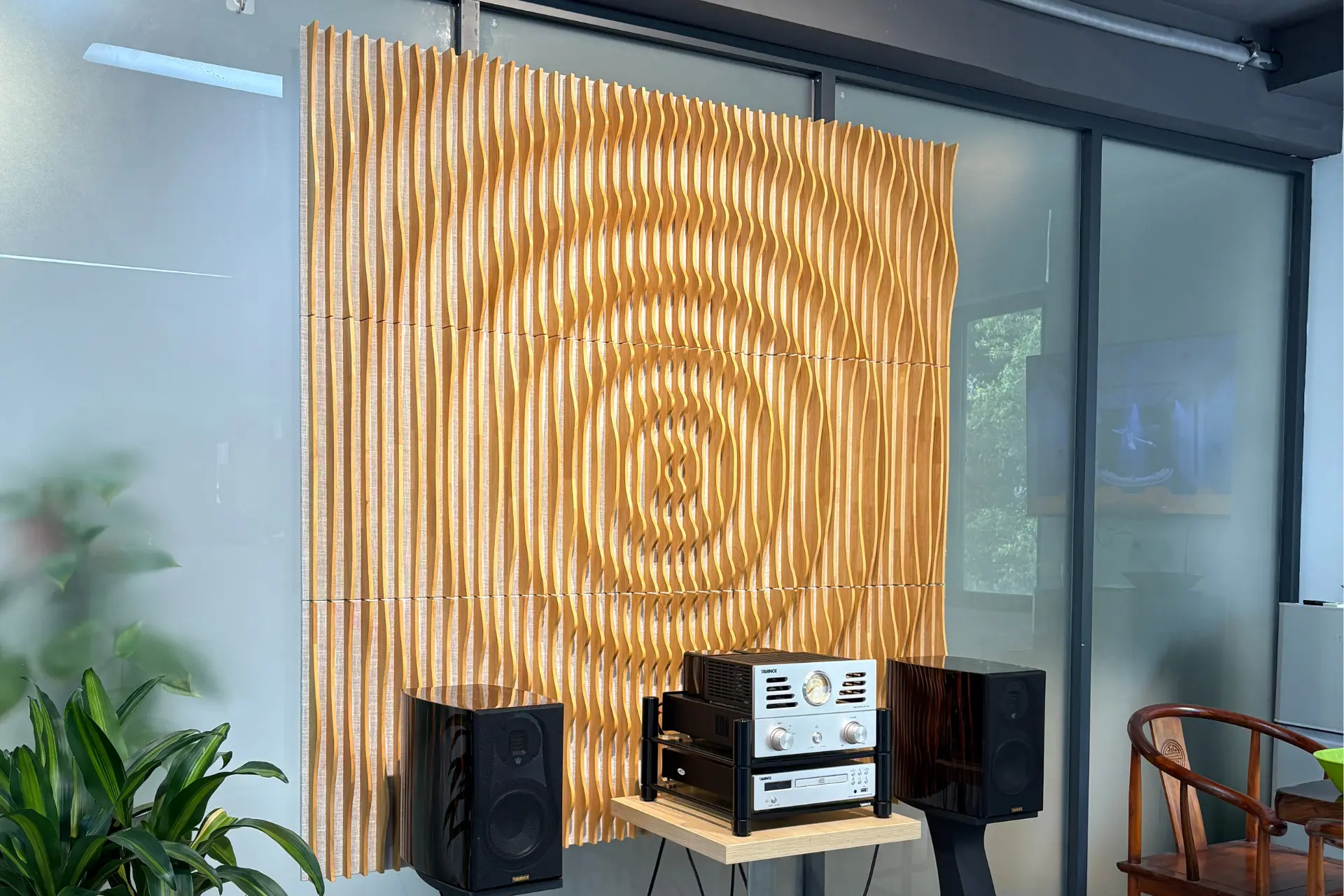
Designed for the Interior
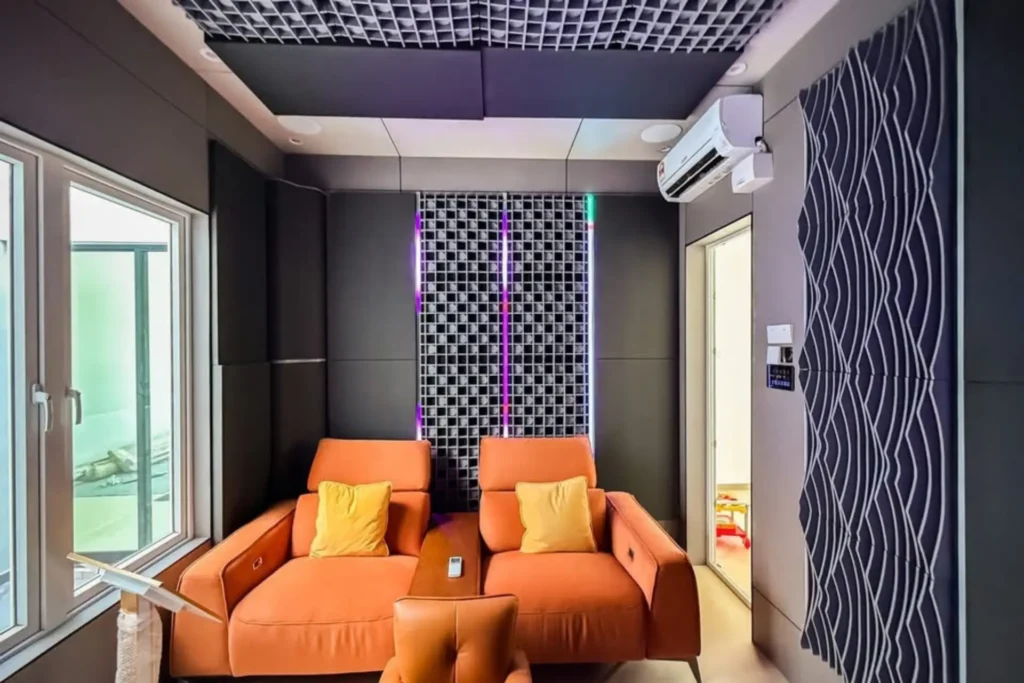
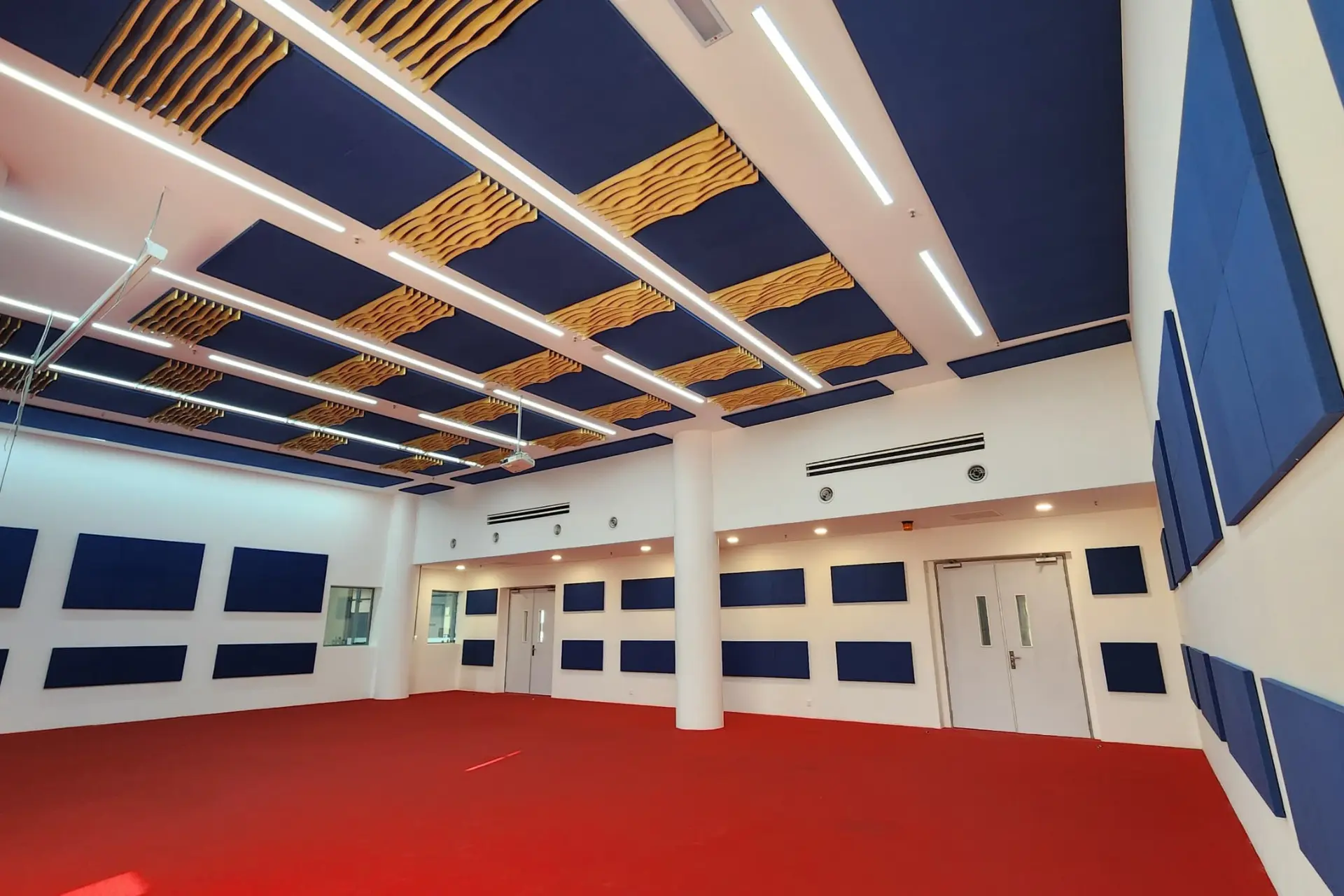
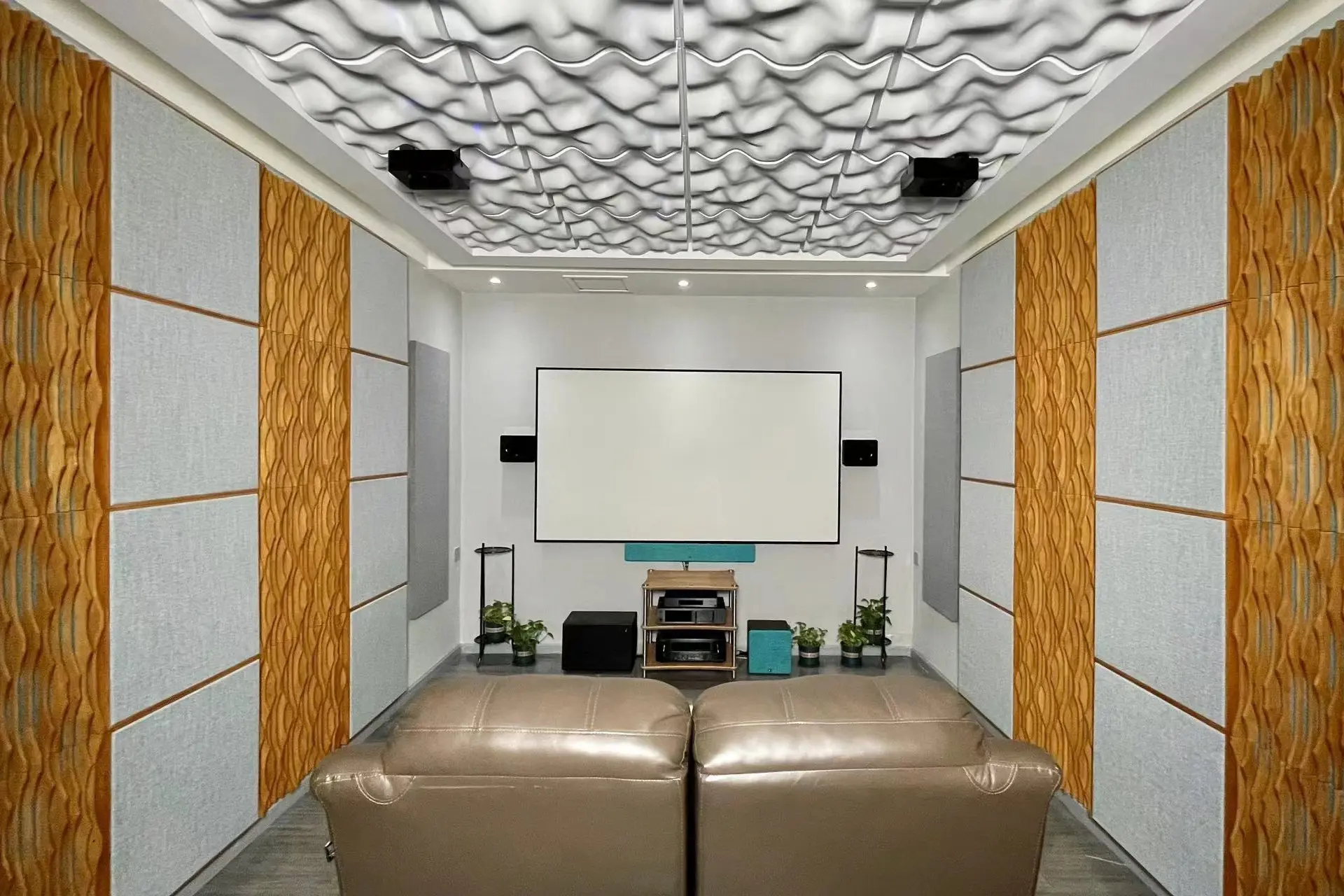
Acoustic treatment designed to integrate naturally with architectural and interior design.
Two Diffusion Approaches
Both designs are developed to redistribute reflected sound, but they use different surface geometries and acoustic principles to achieve diffusion.
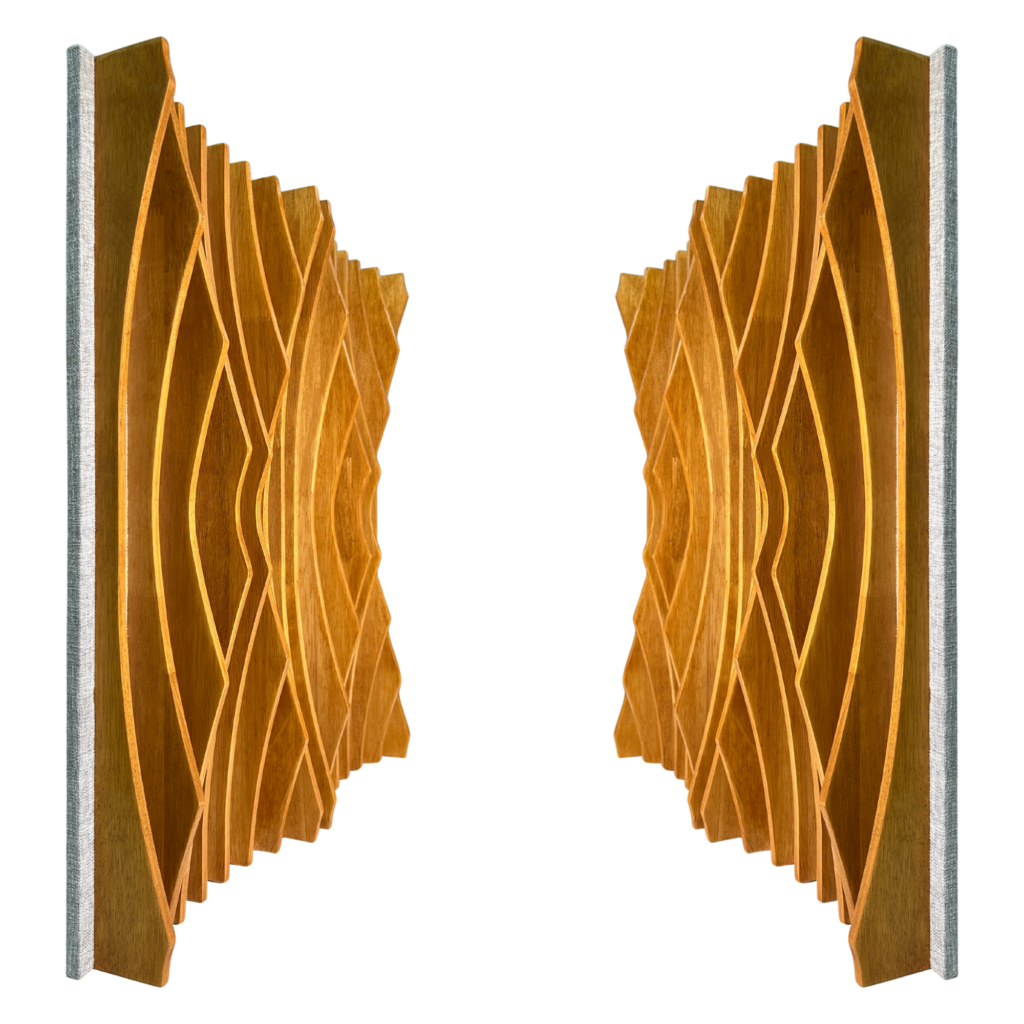
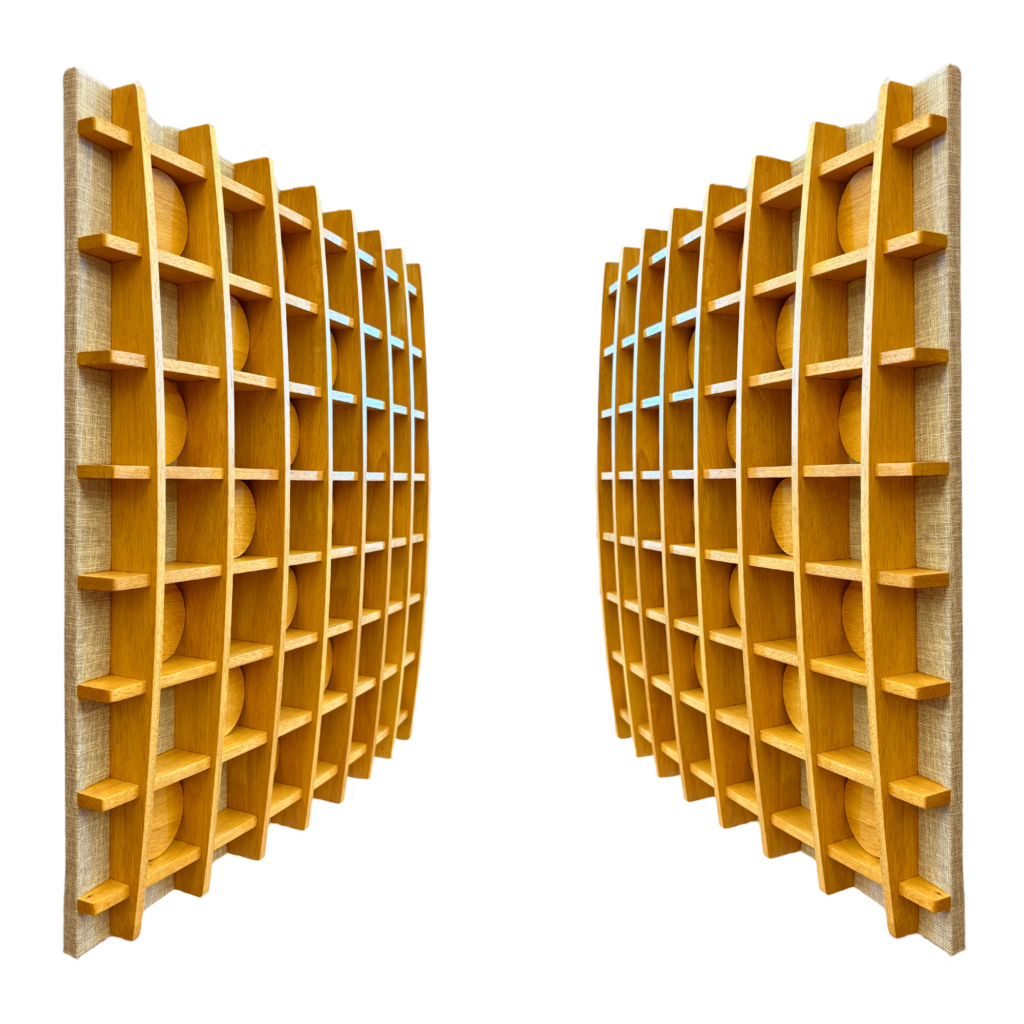
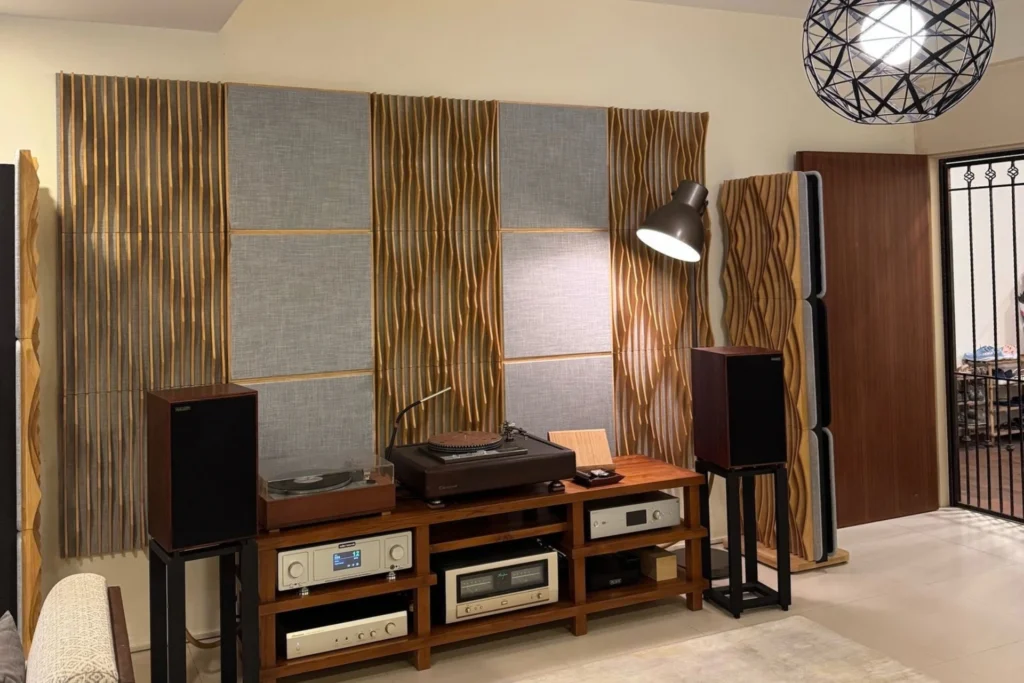
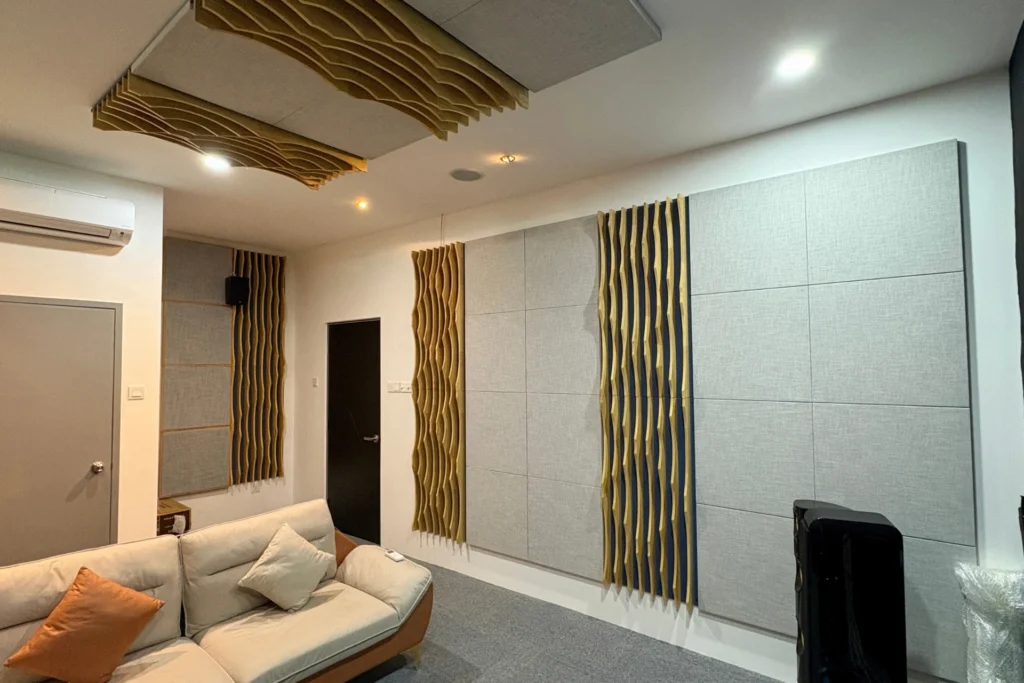
DV160
Curved-Surface Diffusion
A curved acoustic surface redirects reflected sound across a range of angles, creating broad spatial scattering while maintaining acoustic energy in the room.
Design Character
Sculptural · Organic · Warm
Diffusion Principle
Spatial scattering from curved geometry
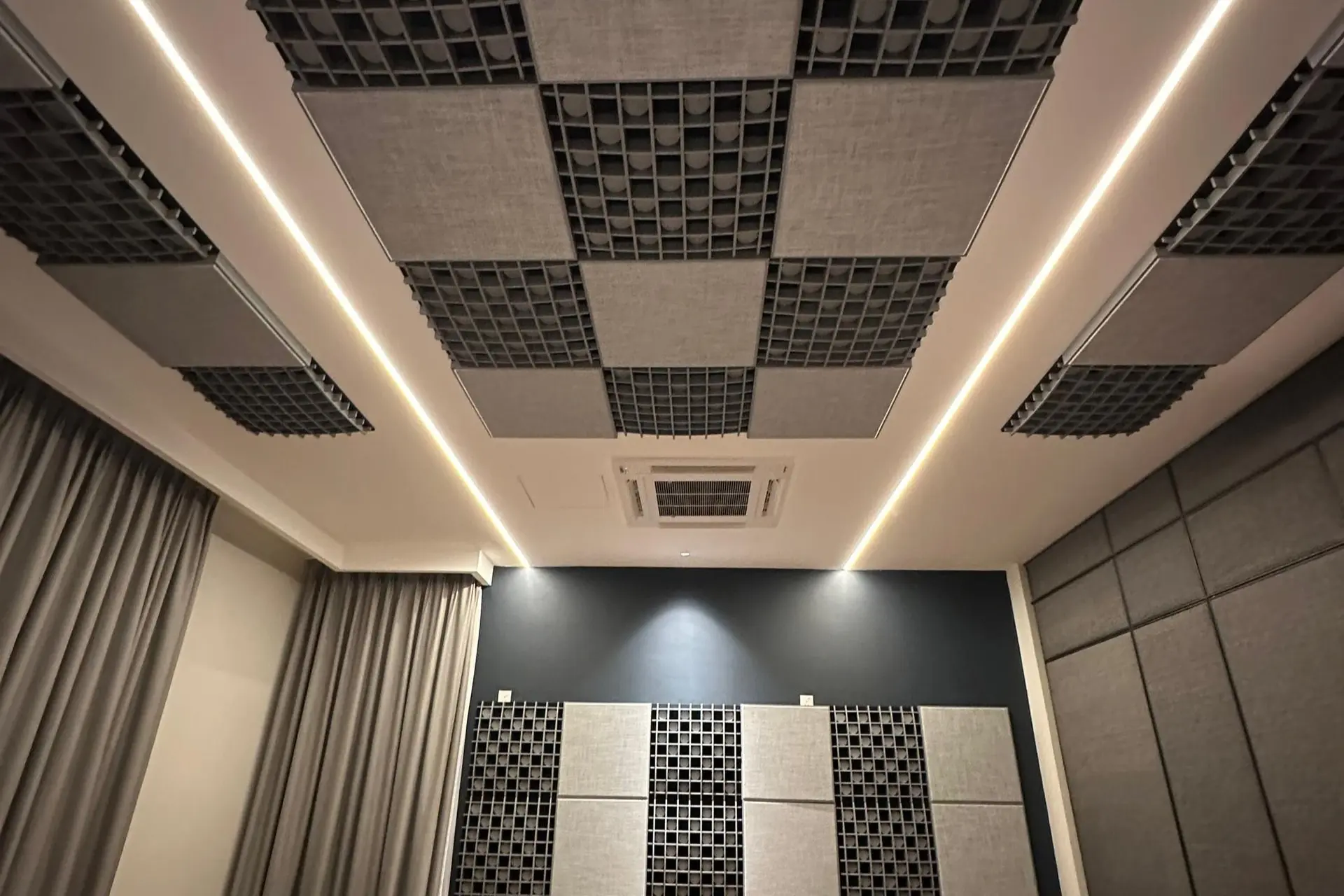
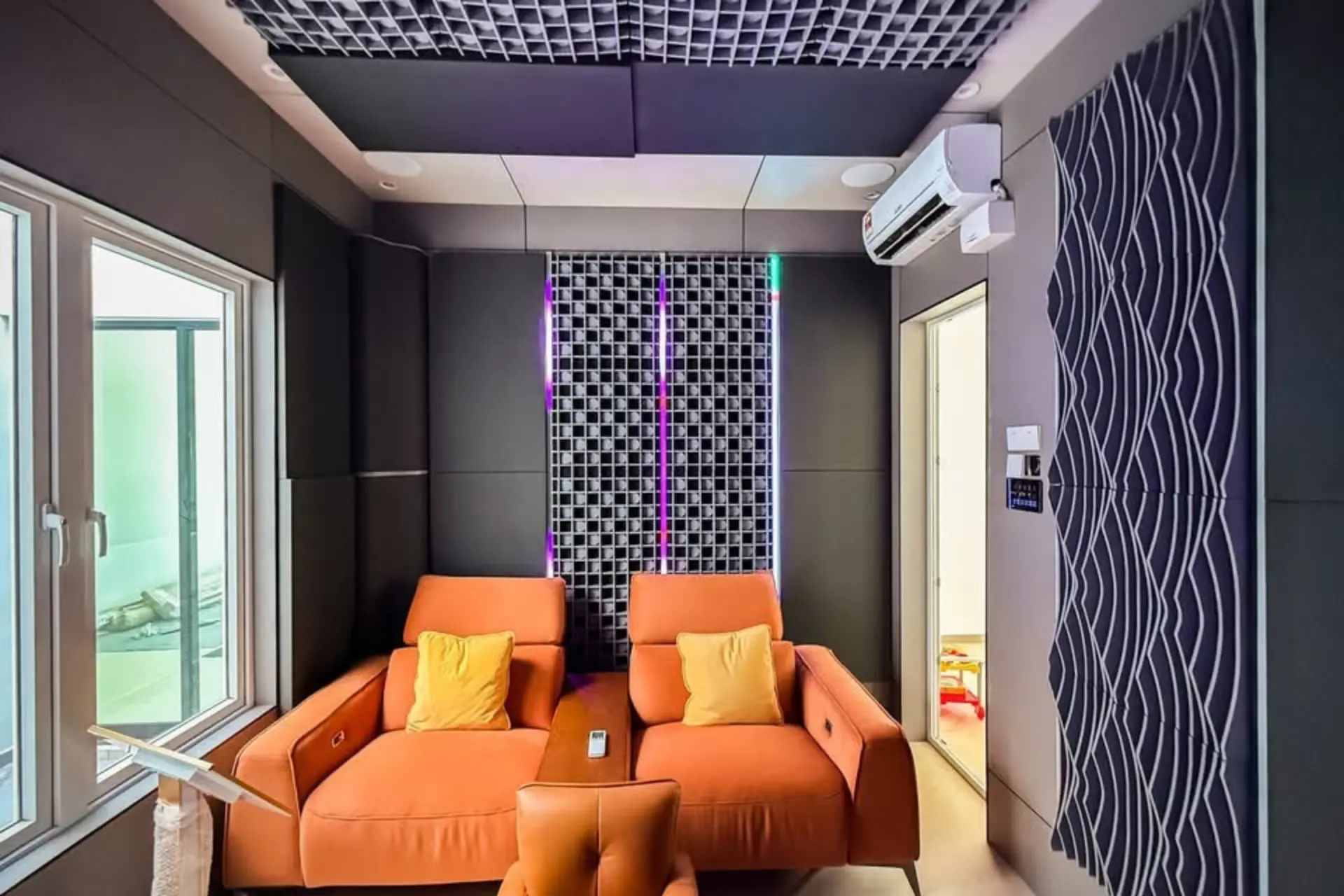
DQ64
QRD-Inspired Geometry
A calculated well pattern based on a quadratic-residue sequence. Varying well depths create different reflection path lengths and distribute reflected energy across the treated surface.
Design Character
Structured · Architectural · Contemporary
Diffusion Principle
Quadratic Residue Diffusion
ACOUSTIC DESIGN
Designed by sound.
Not just by looks.
The geometry is designed around how reflected sound interacts with the surface. For QRD-based designs, well depth and spacing are calculated to establish a specific design bandwidth for diffusion.
Calculated Diffusion Range
2000Hz – 5000Hz
Typical Room Applications
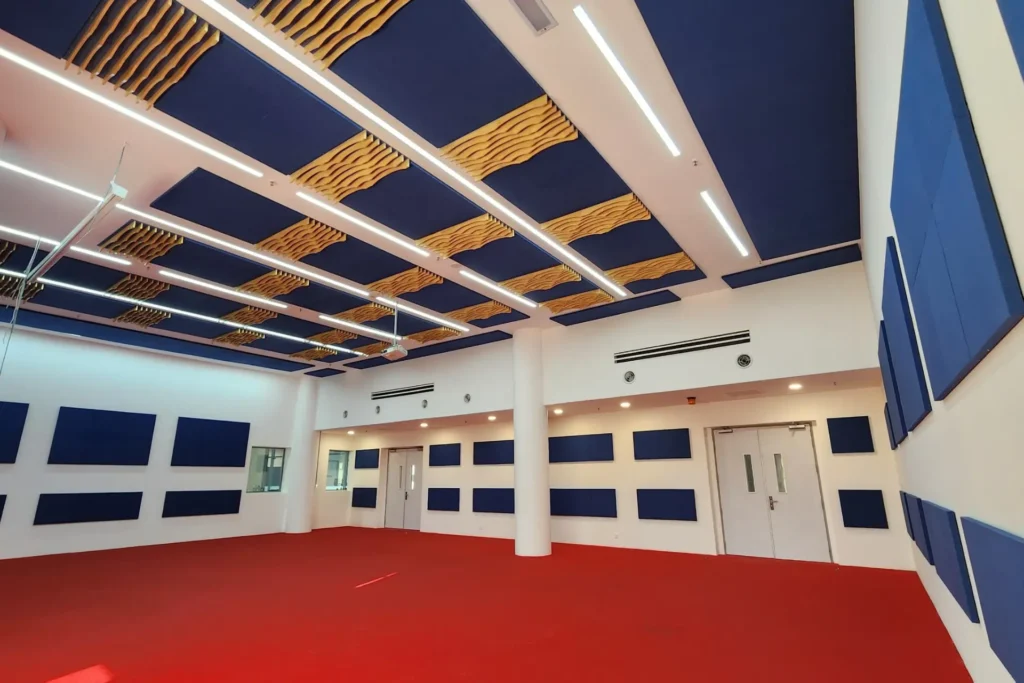
Small to Medium Listening Rooms, Home Theatres & Studios
DESIGN OPTIONS
Designed to belong in the room.
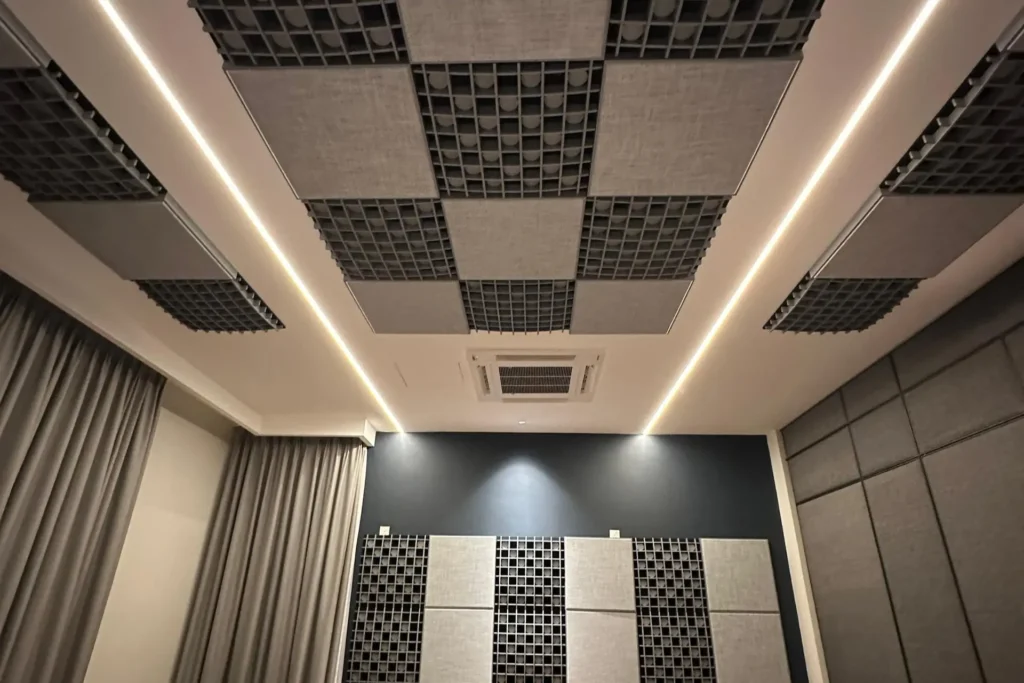
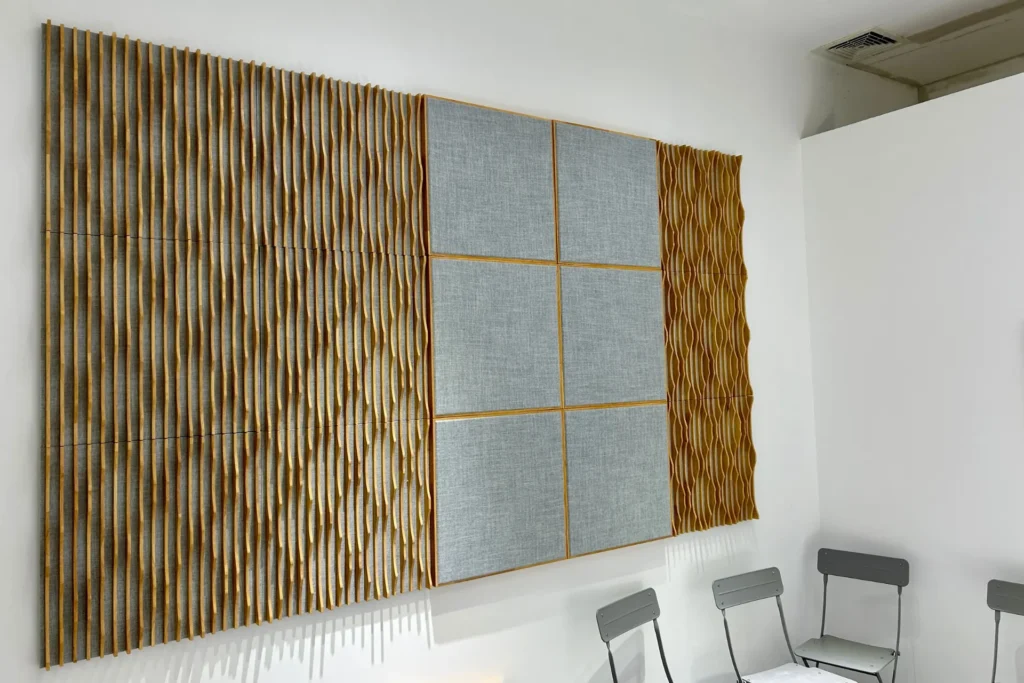
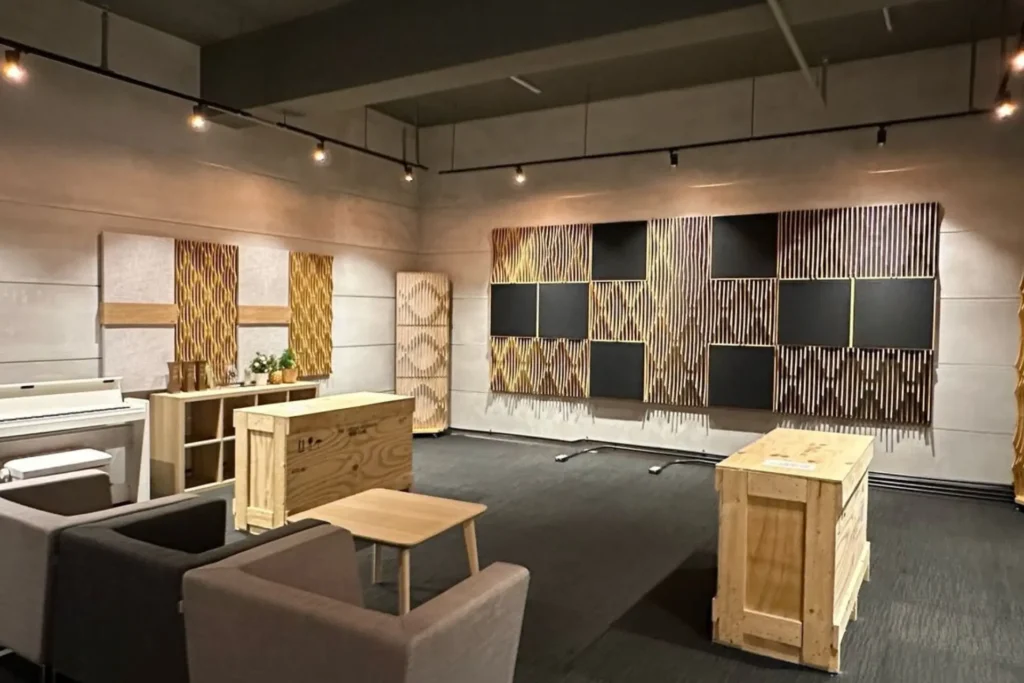
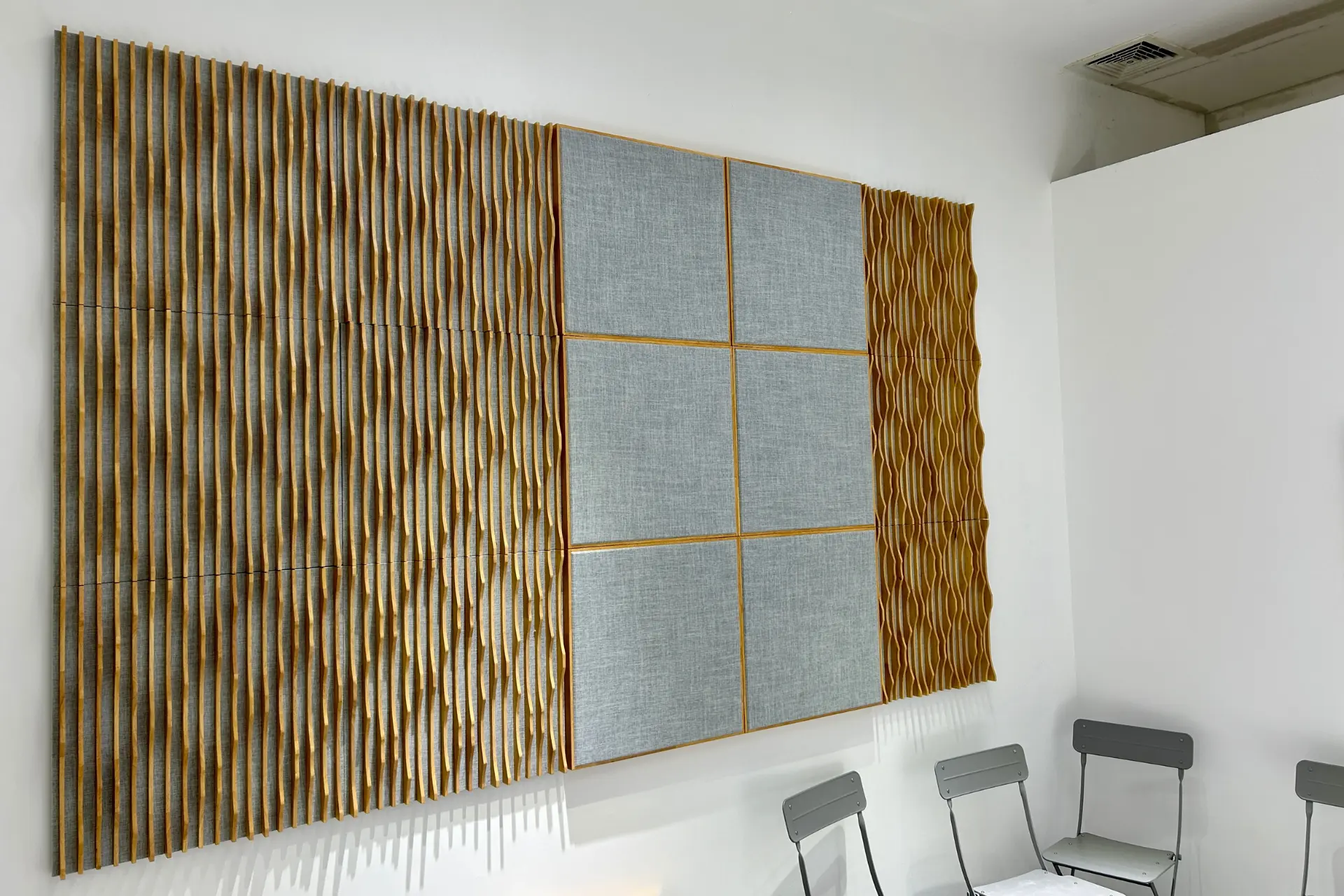
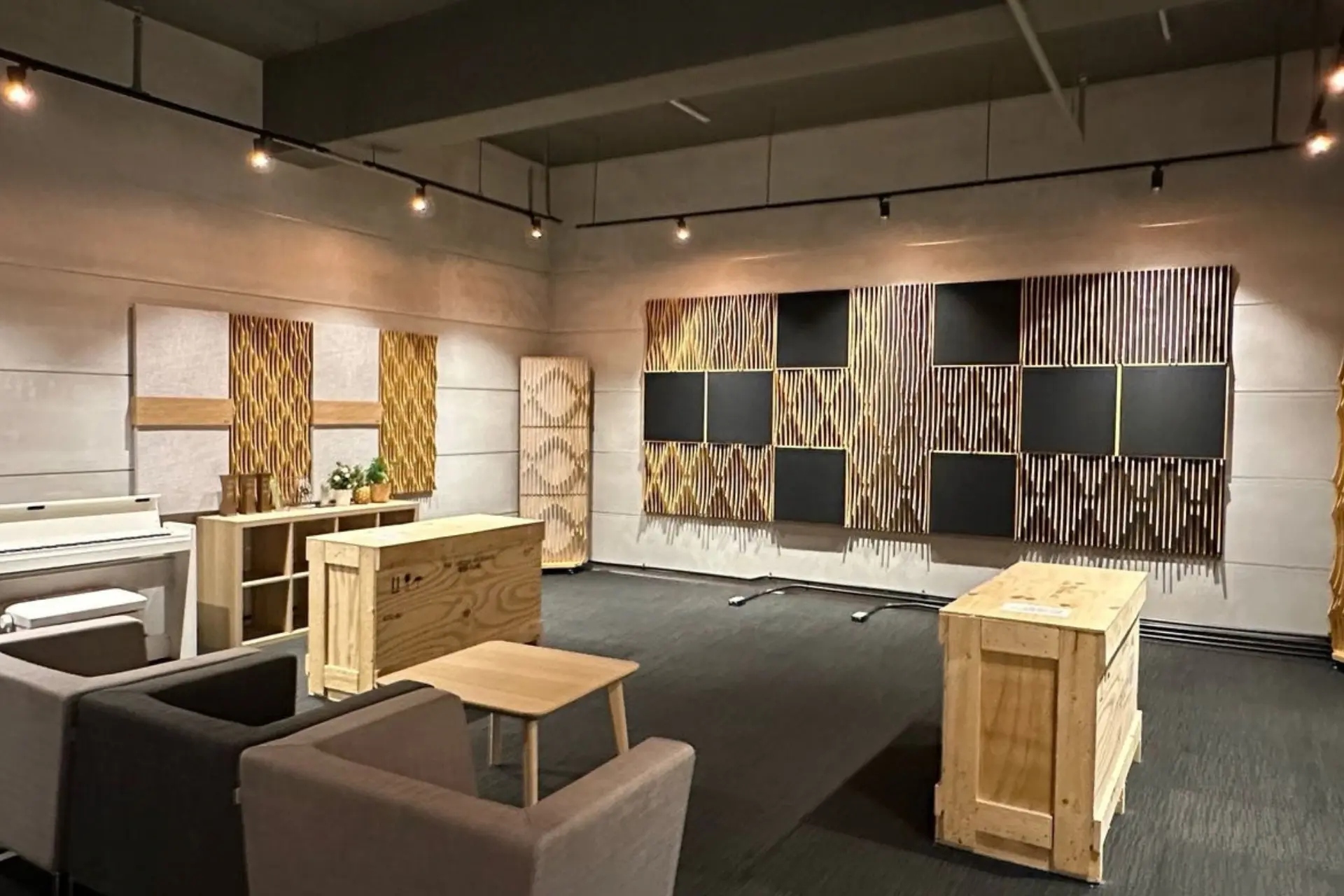
A range of wood, colour and fabric finish options allows the diffuser to integrate naturally into different interior schemes.
Wood Finish Selection

Teak wood

Midnight black

Ivory White

Slate Grey
Backing Panel Fabric Colours

S02 Cyan

S03 Light Grey

S04 Blue Black
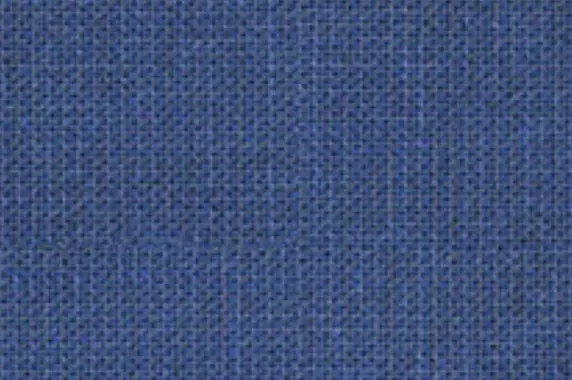
S05 Sky Blue
Frequently Asked Questions
An acoustic diffuser redistributes reflected sound rather than primarily absorbing it. Its surface geometry changes the direction of reflected energy, helping reduce the dominance of strong specular reflections within its intended frequency range.
Absorption reduces reflected sound energy, while diffusion redistributes reflected energy through controlled surface geometry.
Absorption is commonly used to control reverberation and reflection strength, while diffusion is used to reduce the dominance of specular reflections while maintaining acoustic energy in the room. Both may be used together as part of a balanced room treatment strategy.
A diffuser can help reduce the dominance of strong, discrete reflections and may help control flutter echo depending on the room geometry and placement. However, it does not replace absorption when excessive reverberation is the primary acoustic problem.
DV160 and DQ64 use different diffuser geometries.
DV160 uses a curved surface to create broad spatial scattering, while DQ64 uses a QRD-based well pattern to create controlled scattering through calculated depth variations.
The appropriate choice depends on the room geometry, listening distance, available wall area and the desired acoustic treatment strategy.
Placement depends on the room geometry, listening position, diffuser type and the reflections being managed.
Diffusers are commonly used on rear walls and other strategically selected reflective surfaces in listening rooms and studios.
Diffusion should be planned together with absorption and low-frequency treatment rather than used as a standalone solution.